
Aquatic ecology is the comprehensive study of water-based ecosystems and the myriad of organisms that inhabit them. From the smallest microscopic plankton to the largest marine mammals, this field examines how living things interact with each other and their liquid environment. For students and nature enthusiasts, understanding aquatic ecology is crucial because water covers the majority of our planet and forms the fundamental basis of all life on Earth.
The Dynamic Systems of Water Worlds
Water environments are incredibly diverse, hosting complex food webs and intricate chemical cycles. Ecologists who study these systems look closely at how light, temperature, and nutrient levels shape the biological communities living beneath the surface.
One of the defining features of any water system is its physical structure. The depth of the water column dictates how much sunlight penetrates, which in turn controls where photosynthesis can occur.
Temperature gradients also play a massive role in shaping aquatic habitats. Warm surface waters often sit above colder, denser layers, creating distinct zones that harbor entirely different types of species.
Nutrient availability is another critical aspect of these ecosystems. Elements like nitrogen and phosphorus dictate the growth of algae and phytoplankton, the foundation of nearly every aquatic food web.
Oxygen levels within water are equally important for aquatic survival. Fast-moving rivers tend to have high oxygen concentrations, while deep, stagnant lakes may struggle to support life near the bottom.
Water movement significantly influences the organisms that can thrive in a given area. Species living in rushing streams develop unique adaptations to avoid being swept away by strong currents.
Conversely, still-water environments offer a different set of challenges. In ponds and lakes, organisms must often adapt to seasonal changes in temperature and potentially lower oxygen availability.
Salinity also presents a massive biological hurdle. Species that thrive in salty oceans possess completely different physiological mechanisms compared to those living in freshwater rivers and streams.
The Main Divisions of the Water Cycle
Broadly speaking, scientists divide aquatic environments into two massive categories based on their salt content. This primary division separates the freshwater systems found inland from the vast, salty marine systems that cover the globe.
While these two realms share many fundamental ecological principles, the specific species and intricate adaptations found within them are vastly different. Understanding both systems is essential for a complete picture of global ecology.
The Three Key Aquatic Zones
Marine Ecosystems
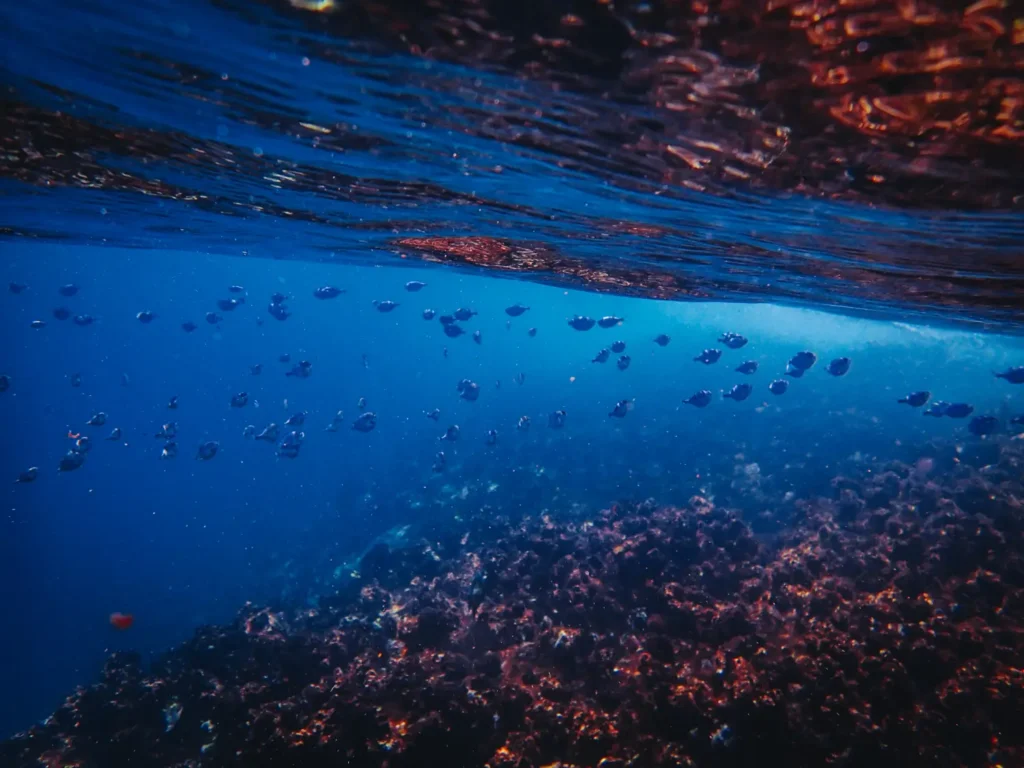
These are the saltwater environments, including oceans, coral reefs, and coastal estuaries. They are the largest ecosystems on Earth, driving global weather patterns and supporting immense biodiversity.
Lotic Ecosystems
This category includes all flowing freshwater systems, such as rivers, streams, and creeks. The constant movement of water shapes the physical landscape and creates highly oxygenated habitats.
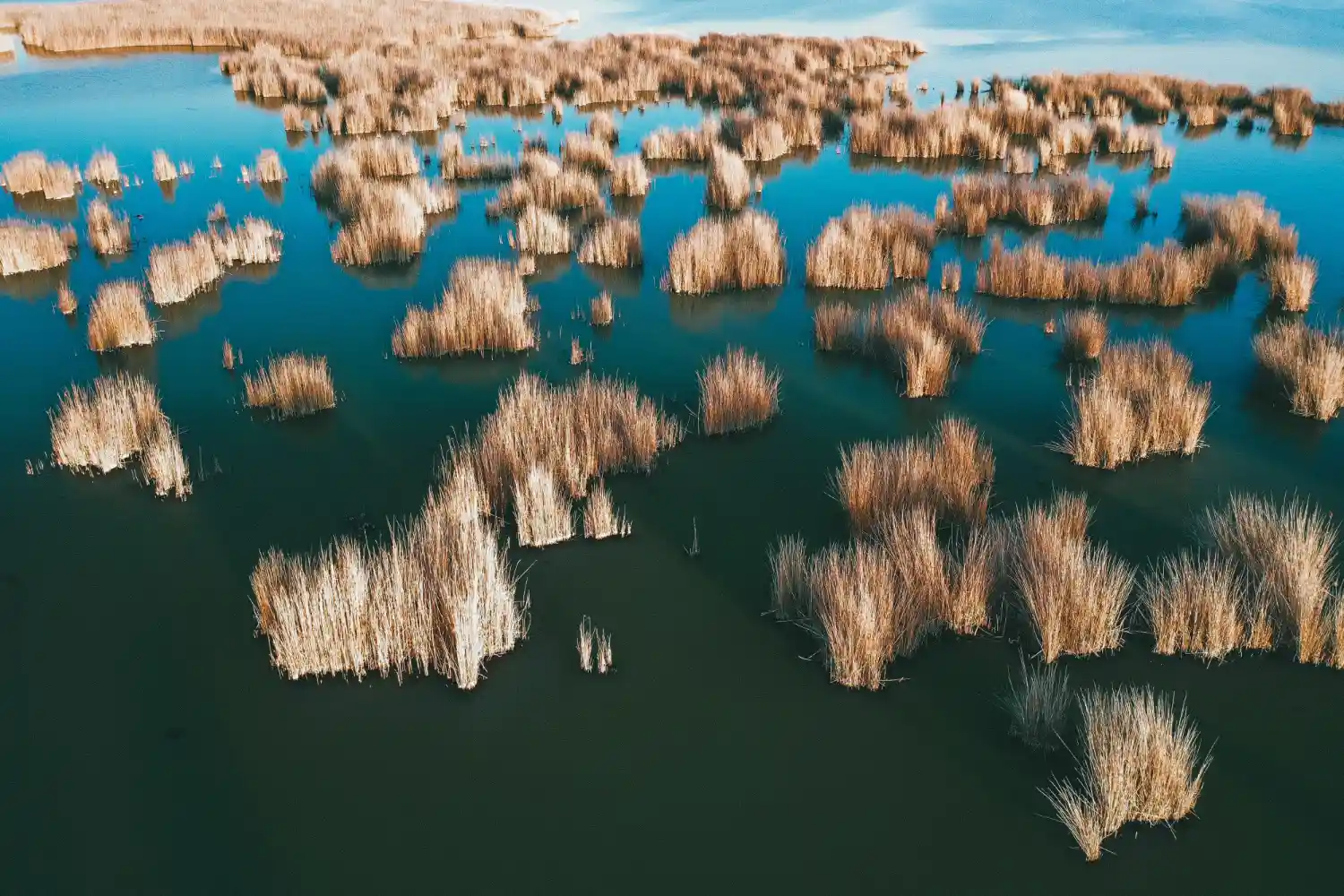
Lentic Ecosystems
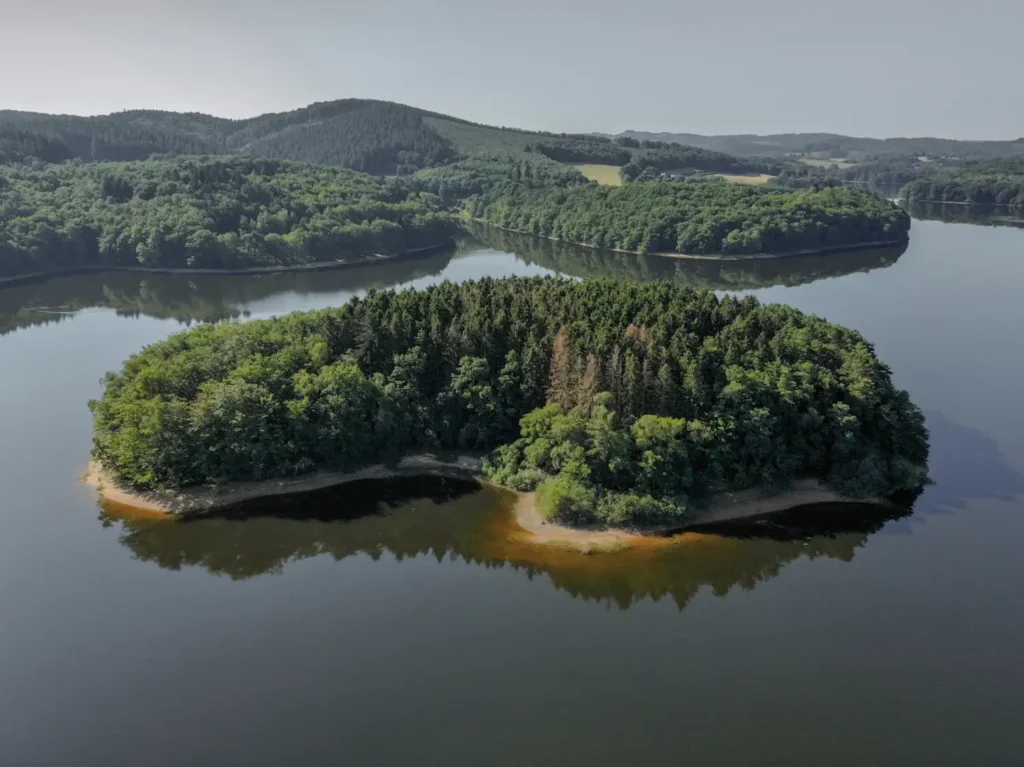
These encompass still freshwater environments, like lakes, ponds, and wetlands. They are vital hubs for regional wildlife, acting as critical breeding grounds and natural water reservoirs.
The Fragile Balance of Water Health
Preserving the integrity of water ecosystems is one of the most pressing environmental challenges of our time. Pollution, overfishing, and climate change constantly threaten to disrupt these delicate biological networks. By understanding the science behind aquatic environments, we can better protect the essential resources that sustain both nature and human civilization.
The Pillars of Aquatic Preservation
Safeguarding our global waters requires a multi-faceted approach, combining scientific research with actionable conservation strategies. Ecologists and environmentalists focus on several key areas to ensure the long-term health of our aquatic ecosystems.
Pollution Control
Reducing agricultural runoff and industrial waste is essential to prevent harmful algal blooms and maintain safe oxygen levels for aquatic life.
Sustainable Fishing
Implementing strict quotas and protecting breeding grounds ensures that fish populations can recover and continue to thrive for future generations.
Habitat Restoration
Rebuilding damaged coral reefs and restoring drained wetlands helps revive local biodiversity and provides crucial natural defenses against flooding.
Climate Action
Mitigating global warming is critical to preventing ocean acidification and slowing the dangerous rise in global sea temperatures.