
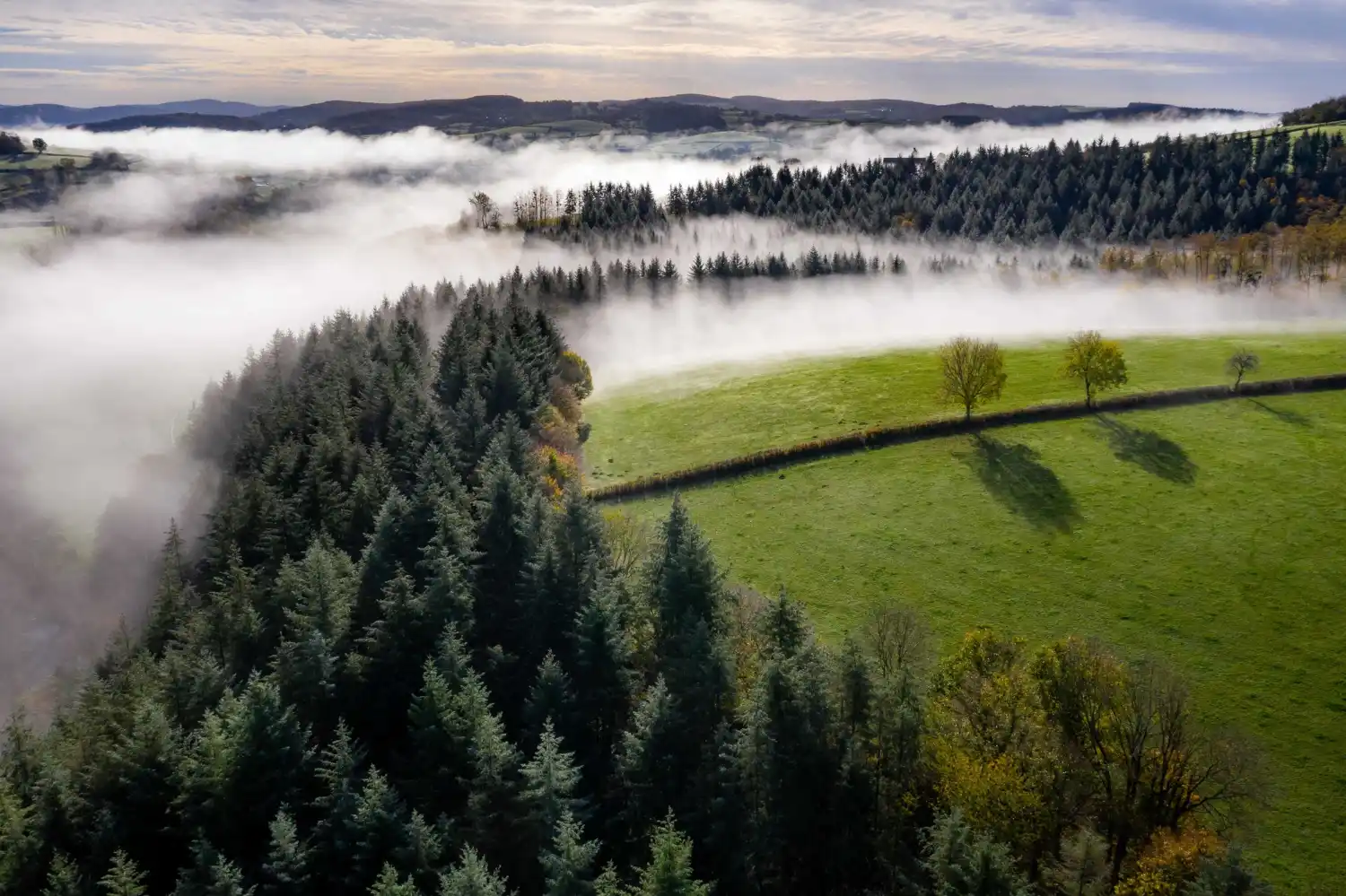
Landscape ecology is the science of studying and improving relationships between ecological processes in the environment and particular ecosystems. This field focuses heavily on spatial patterns and how they change over time. By looking at the broader picture, scientists can understand how different habitats connect, how animals migrate across various terrains, and how human development fragments natural spaces. For students and nature enthusiasts, grasping landscape ecology is essential for seeing the forest and the trees in equal measure.
At its core, this discipline explores the interactions between spatial patterns and ecological processes. It investigates how the arrangement of forests, rivers, fields, and cities impacts the movement of energy, nutrients, and living organisms. Rather than focusing on a single isolated pond or a solitary patch of woods, researchers in this field map the mosaic of habitats. This holistic approach helps us recognize that a change in one area can create a ripple effect across the entire region, influencing biodiversity and environmental health.
The Importance of Spatial Patterns
Lorem ipsum dolor sit amet, consectetur adipiscing elit. Donec congue lorem ut volutpat efficitur. Fusce justo magna, condimentum nec elementum sed, sollicitudin vitae enim. Vivamus sit amet metus porttitor, rhoncus nibh et, venenatis turpis. Etiam lobortis semper ante, quis luctus lacus tincidunt vel.
Key Concepts in Studying Landscapes
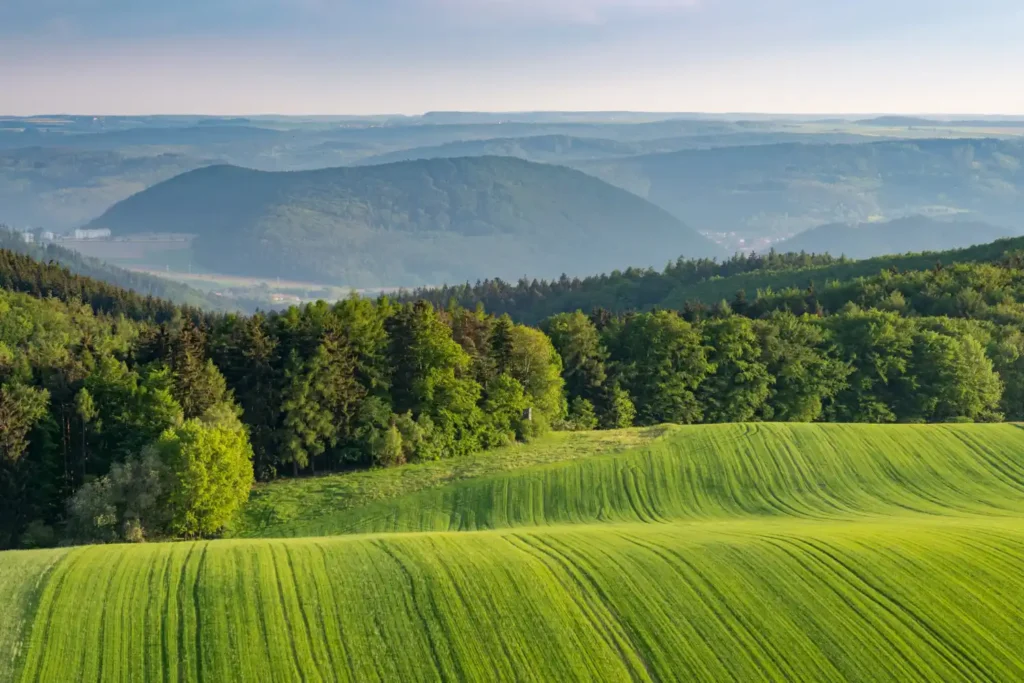
One of the foundational concepts in this field is the patch-corridor-matrix model. A patch is a distinct area of habitat, such as a wooded grove surrounded by farmland. The matrix represents the dominant background ecosystem that surrounds these patches. Understanding this relationship helps scientists evaluate the overall connectivity and health of a region.
Corridors are the vital pathways that connect these isolated patches. They can be natural features, like a river winding through a valley, or human-made structures, such as a green bridge built over a busy highway. These corridors are essential for maintaining genetic diversity within animal populations, as they allow individuals to travel safely between different territories.
Edge effects are another critical element of landscape studies. When two distinct ecosystems meet, such as a forest bordering an open field, the boundary zone experiences unique environmental conditions. These edges often have different sunlight, temperature, and moisture levels compared to the interior of the habitat, which can attract specific species while deterring others.
Fragmentation occurs when a large, continuous landscape is broken down into smaller, disconnected pieces. This process is primarily driven by human activities like logging, agriculture, and urban sprawl. As habitats shrink and edges multiply, species that rely on deep, undisturbed environments often face significant survival challenges.
Scale is a concept that ecologists must constantly consider. A landscape can be as small as a local park or as vast as an entire mountain range. The ecological processes that matter at a microscopic scale might be entirely different from those influencing a continental migration route. Researchers must choose the appropriate scale to accurately measure and address specific environmental questions.
These platforms like https://www.writemyessay.com/do-my-project help students approach coursework with confidence by delivering essays that are carefully researched, clearly written, and properly structured.
Applying Landscape Principles
The theories and models developed in this discipline are heavily utilized in real-world applications, particularly in urban planning and conservation biology. By applying these spatial principles, planners can design cities that integrate green infrastructure, reducing pollution and providing habitats for local wildlife. This applied science ensures that as human populations grow, we can still preserve the ecological networks that sustain life.
Conservation Planning
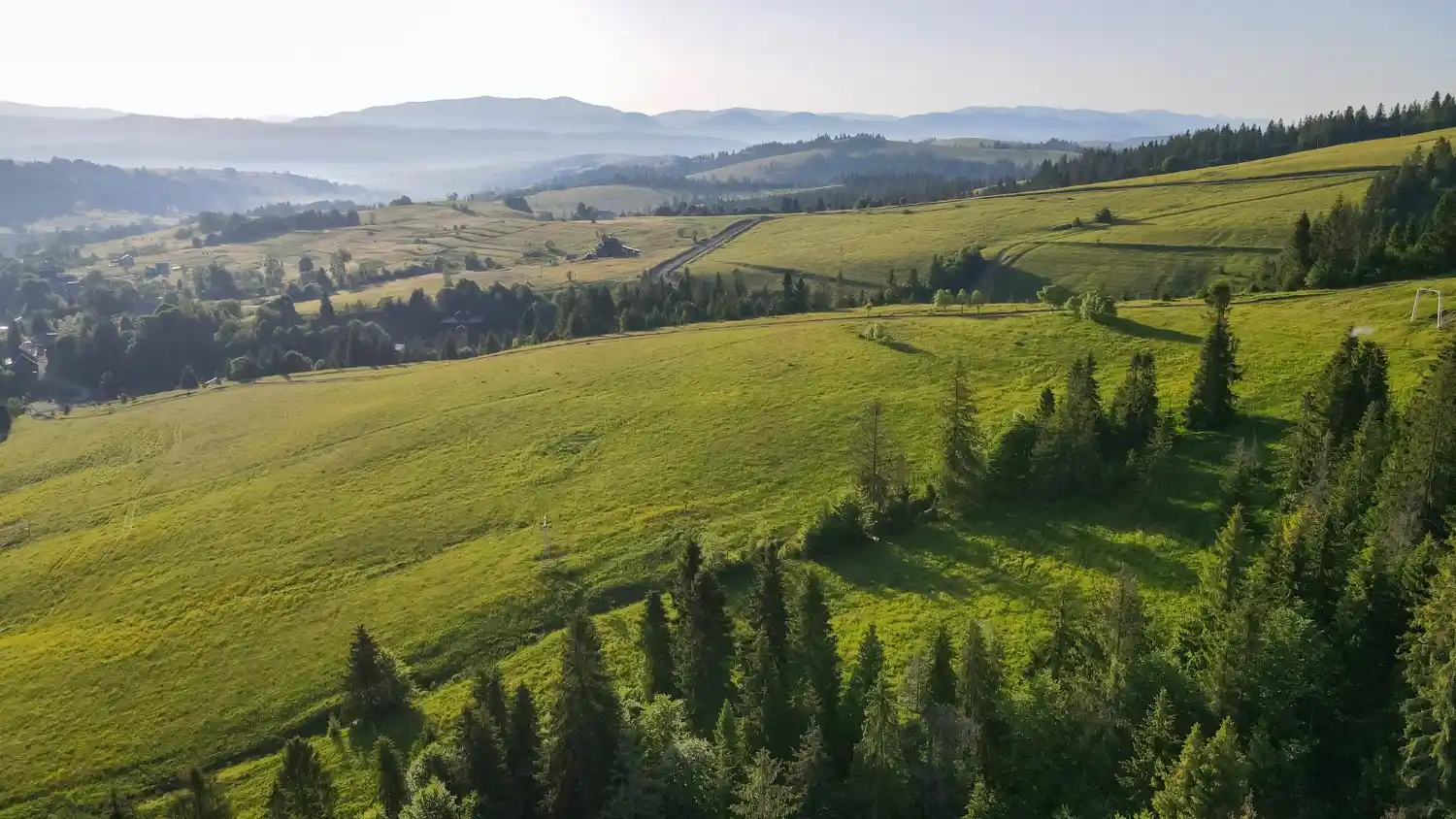
Environmentalists use spatial data to design effective nature reserves. By identifying critical habitat patches and mapping the necessary corridors between them, conservationists can protect vulnerable species from the negative impacts of fragmentation and ensure long-term biodiversity.

Sustainable Land Management
Agricultural and forestry practices benefit greatly from understanding large-scale ecological patterns. By maintaining natural buffer zones along waterways and preserving patches of native vegetation within farmlands, managers can improve soil health, filter water runoff, and support beneficial pollinators.